Skip to content
The primary difference between pressure washing and power washing is the temperature of the water. Both methods use high-pressure streams to remove dirt, grime, and debris from surfaces, but power washing utilizes a heating element to produce hot water or steam. Pressure washing relies solely on the mechanical force of cold water. This distinction makes power washing significantly more effective for heavy-duty tasks like removing oil stains, grease, or deeply embedded salt from concrete.
Understanding this difference helps property owners avoid surface damage and achieve optimal results. While cold water pressure washing works well for the general cleaning of decks and siding, the addition of heat in power washing acts as a powerful degreaser. This makes it the preferred choice for industrial environments or heavily soiled driveways where cold water alone might struggle to lift stubborn contaminants. This guide provides a detailed look at the mechanics, applications, and decision factors for these two common cleaning methods.
Puget Sound Softwash operates with extensive knowledge of how different pressures and temperatures affect various building materials. This expertise ensures that the right method is applied to the right surface, preventing the common pitfalls of DIY cleaning projects.
How Temperature Impacts Cleaning Performance
Temperature functions as a catalyst in the cleaning process. When water is heated, the molecules move faster and possess more energy to break the chemical bonds of grease and oil. A standard pressure washer uses water at its natural temperature, which is sufficient for knocking loose spider webs, dust, or loose paint. However, when dealing with organic growth like moss or lichen, cold water might leave behind microscopic spores that allow the growth to return quickly.
Power washing machines include a burner system, usually powered by diesel or propane, to heat the water to near-boiling temperatures. This heat softens hardened materials like chewing gum or dried sap, making them easy to blast away without needing excessive physical force. According to pressure washing equipment market trends, demand for high-performance machines continues to rise as commercial sectors seek more efficient methods to maintain clean, sanitary, and professional environments.
The Role of Water Pressure
Pressure is measured in Pounds per Square Inch (PSI). Most residential machines fall between 1,500 and 3,000 PSI. While high pressure is effective, it is also dangerous if used incorrectly. High PSI can etch wood, strip the cream coat off concrete, or force water behind siding where it can cause mold inside walls. Combining heat with slightly lower pressure often yields better results than using extreme cold-water pressure alone.
Professional Recommendation: To ensure a surface can safely withstand pressure, start with a wide-angle nozzle (usually the white 40-degree tip) and test a small, hidden area first.
Selecting the Right Method for Specific Surfaces
Choosing between these methods depends entirely on the material being cleaned and the type of grime present. Using hot water on a delicate wood deck might cause the wood to splinter or the natural oils to leach out, leading to premature aging. Conversely, using cold water on a commercial kitchen floor covered in grease will likely result in a slippery mess rather than a clean surface.
The following table outlines the best applications for each method based on common residential and commercial needs.
Surface and Method Compatibility
| Surface Type | Recommended Method | Why it Works |
|---|---|---|
| Concrete Driveway with Oil Stains | Power Washing | Heat emulsifies oil and lifts it from pores. |
| Residential Vinyl Siding | Pressure Washing | Cold water removes dirt without warping plastic. |
| Wood Decking or Fencing | Pressure Washing (Low PSI) | Protects wood fibers from heat damage. |
| Brick or Masonry with Moss | Power Washing | Heat kills spores to prevent regrowth. |
| Metal Gutters or Downspouts | Pressure Washing | Removes debris without high-temperature stress. |
| Commercial Garage Floors | Power Washing | Essential for heavy grease and chemical buildup. |
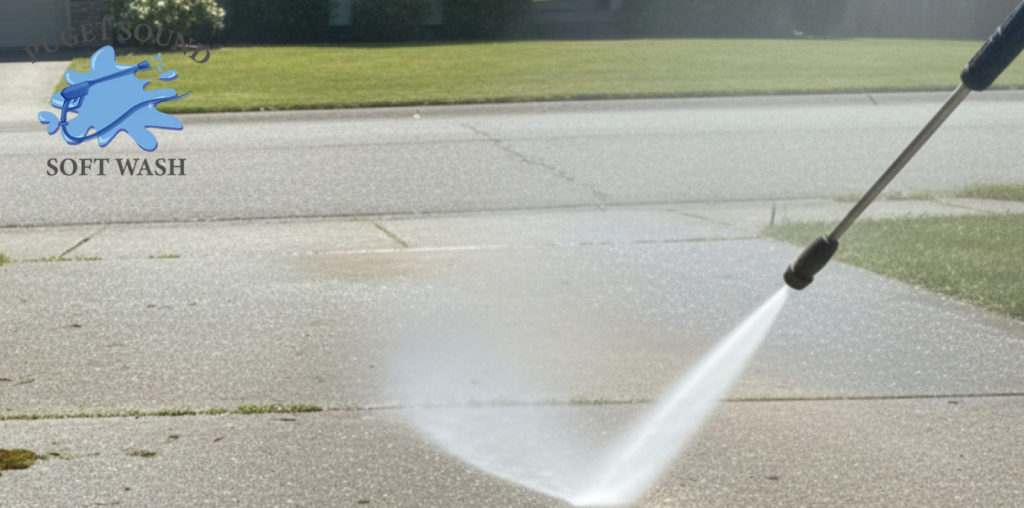
[Image: A comparison of a dirty concrete driveway being cleaned with a high-pressure nozzle]
Equipment Mechanics and Professional Standards
The internal components of these machines differ significantly. A pressure washer is a relatively simple machine consisting of a motor (gas or electric) and a high-pressure pump, commonly used in professional pressure washing services to remove surface-level dirt and grime. A power washer is more complex because it must safely contain and heat water under pressure. This requires a heating coil and a thermostat to regulate the output. Because of this added complexity, power washers are typically heavier, more expensive, and require more maintenance.
According to technical guides from the Power Washers of North America, the volume of water, measured in Gallons per Minute (GPM), is often more important than the PSI. A higher GPM allows a technician to rinse away the loosened dirt faster, which speeds up the job and reduces the amount of time the surface is under stress. Puget Sound Softwash utilizes professional-grade equipment that balances GPM and PSI to maximize efficiency while minimizing the risk of abrasion.
Environmental Considerations and Water Management
Environmental impact is a significant factor in modern exterior cleaning, and the mechanical efficiency of power washing equipment plays a direct role. Using heated water often reduces the reliance on harsh chemical detergents, as the thermal energy performs much of the heavy lifting. However, the runoff from these projects must be managed carefully. The Environmental Protection Agency provides strict guidelines on how wastewater from pressure and power washing should be handled, especially when cleaning commercial areas where oils and chemicals are present.
Modern professionals often use reclamation systems that vacuum up the used water, filter it, and sometimes even reuse it. This prevents toxic materials from entering storm drains and local waterways. Using a professional service ensures that these regulations are met, protecting the property owner from potential fines or environmental damage.
Professional Recommendation: Always evaluate the slope of the driveway before starting. Ensure that runoff is directed toward a grassy area or a proper drainage system rather than the street whenever possible.
Things to Consider Before Making a Decision
Before deciding which method to use, evaluate the current state of the property. It is not just about how dirty the surface looks, but what is actually on it.
- Identify the Contaminant: Is it just dust and dirt, or is it organic growth like algae? Is there grease or motor oil?
- Assess Surface Fragility: Old, brittle siding or weathered wood cannot handle the same pressure or heat as a new concrete pad.
- Check for Lead Paint: On homes built before 1978, using high pressure can blast lead paint into the air and soil. Lead paint safety regulations for older homes stress the importance of testing for lead before performing any abrasive cleaning on aging structures.
- Evaluate Safety Risks: High-pressure water can cut through skin and boots. Power washing adds the risk of severe burns from the heated water and steam.
- Review Local Water Restrictions: Some areas have limits on water usage during droughts, which might influence the choice of equipment or timing of the project.
[Image: A technician safely operating a professional pressure washing wand on a brick walkway]
Common Questions About Exterior Cleaning
Can pressure washing damage my house?
Yes, if the pressure is too high or the nozzle is held too close, it can blast holes through siding, ruin window seals, and strip paint. This is why many experts suggest a soft wash approach for delicate residential surfaces.
Is power washing better for weed removal?
Power washing is generally more effective for weeds growing in sidewalk cracks. The heat can kill the root system of the weed, whereas cold pressure washing might only take off the leaves, allowing the weed to grow back within days.
How often should surfaces be cleaned?
For most residential properties, a thorough cleaning once a year is standard. However, properties in shaded areas or high-humidity regions may need more frequent attention to keep mold and mildew under control.
Evaluating Your Specific Cleaning Needs
Determining the difference between these methods is the first step toward a successful property maintenance plan. For most homeowners, a standard pressure wash is enough to refresh the look of the home and remove seasonal dirt. If the goal is to prep a surface for painting or to remove deep stains from a commercial lot, the heat of power washing becomes necessary.
Every property presents unique challenges. Factors like the age of the materials, the local climate, and the specific type of buildup all play a role in choosing the right path. Puget Sound Softwash focuses on using the most effective tools for each specific situation, ensuring that surfaces are cleaned deeply without being compromised. Homeowners should look at their property, identify the toughest stains, and decide if the power of heat is required or if a simple high-pressure rinse will do the trick.
Frequently Asked Questions
Does power washing use more water than pressure washing?
The water usage is mostly determined by the machine’s Gallons per Minute (GPM) rating rather than the temperature. Both methods can be water-intensive, but power washing is often faster for greasy surfaces, which can result in lower total water consumption for those specific jobs.
Can I use my garden hose for these tasks?
A garden hose usually provides about 40 to 60 PSI, which is not enough to remove embedded dirt or stains. Pressure washers amplify this force significantly, often reaching 2,000 to 4,000 PSI.
Should I use soap with hot water?
While heat increases the effectiveness of cleaning, specific detergents can further break down organic matter and oils. Many professional machines have an injector that mixes the soap with the water after it has been heated.
Is it safe to power wash a roof?
No. High pressure and heat can easily damage asphalt shingles by washing away the protective granules. Roofs should almost always be cleaned using a low-pressure chemical process known as soft washing. Learn more about the reasons you shouldn’t ignore roof cleaning and how proper methods protect your roof.
Will power washing remove rust stains?
Heat can help, but rust often requires specialized acidic cleaners to break the bond between the metal oxide and the surface. Temperature alone is rarely enough for complete rust removal.
Professional Cleaning Guidance
Maintaining the exterior of a property requires the right balance of force and temperature. Puget Sound Softwash provides expert cleaning services tailored to the specific needs of each surface. For questions about residential or commercial cleaning projects, contact the team at chandler@pugetsoundsoftwash.com or call 253-334-1100. Using the correct method ensures the longevity and appearance of your investment.
Sources
- pressure washing equipment market trends – An overview of how innovation and commercial demand are driving growth in the pressure washing industry.
- Lead paint safety regulations for older homes – Official safety standards that explain how to identify, test, and safely handle lead-based paint before performing pressure or abrasive cleaning.
- Power Washers of North America – The leading professional organization for the pressure washing industry, providing technical standards and safety guidelines.
- Environmental Protection Agency – Information on water runoff regulations and environmental protection during exterior cleaning.